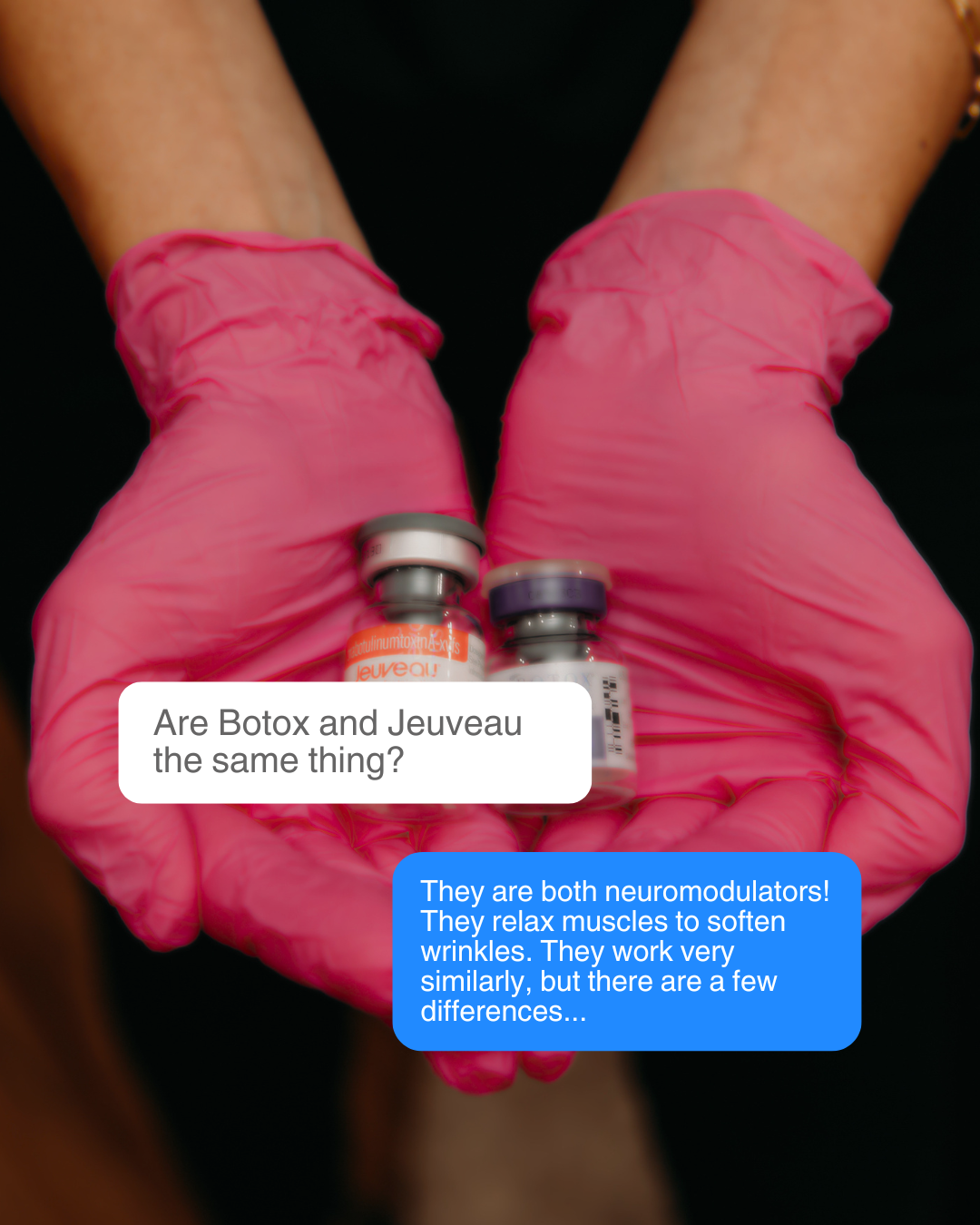
Neuromodulators vs. Filler: Comparing Real-World Results for Fine Lines
When you visit Bella Glow Med Spa in Montoursville, one of the most common questions you might have is whether neuromodulators or dermal fillers are better for smoothing fine lines. Both are proven, popular choices, but their effects, timelines, and suitability for your unique features aren’t the same. As aesthetic professionals, we see many clients in Montoursville and the greater Williamsport area seeking honest advice on which anti-aging option will deliver the results they want—without hype or surprises.
Navigating the differences between neuromodulators and fillers starts with understanding how each product works in real clients, not just how they’re advertised. This blog breaks down the typical results, what you can (and can’t) expect, and what factors really impact the longevity and appearance of these treatments.
What We Cover:
- How Neuromodulators and Fillers Work
- What Results Look Like Over Time
- Factors That Influence Your Outcome
- Frequently Asked Questions
- Setting Realistic Expectations for Your Aesthetic Journey
How Neuromodulators and Fillers Work
Neuromodulators, such as Botox, relax the dynamic muscles that cause expression lines, especially on the forehead, between the brows, and around the eyes. When injected, they temporarily prevent muscle contractions, so lines soften, and new wrinkles are less likely to form. On the other hand, dermal fillers like hyaluronic acid add volume beneath the skin, plumping areas that have lost fullness—from cheeks to nasolabial folds—or directly smoothing etched-in lines.
For clients in the Williamsport area, real-world choices often depend on whether you’re tackling lines caused by movement (best for neuromodulators) or lines at rest and areas that need more structure (best for fillers).
→ From a professional standpoint: Neuromodulators target movement, fillers target volume loss—diagnosing the cause is the first step to the right solution.
What Results Look Like Over Time
Expect visible changes from both treatments, but there are key differences in onset and duration. Neuromodulator results gradually appear within three to ten days and can be refreshed every three to four months. Fillers, particularly hyaluronic acid-based options, show improvement immediately and tend to last six to eighteen months, depending on product, placement, and individual metabolism.
Neither treatment is permanent. The best results come from subtle enhancement rather than drastic change—readers in Montoursville often appreciate this approach, especially when the goal is to look naturally refreshed.
→ A quick tip to remember: Both neuromodulators and fillers require regular maintenance to keep lines smoothed and contours supported over time.
Factors That Influence Your Outcome
Some factors affecting your results are entirely personal. Age, skin condition, lifestyle, sun exposure, and even how active your facial muscles are can alter how long either treatment lasts. Clinic technique and experience also play a huge role, which is why choosing a provider familiar with the unique needs of Montoursville and Williamsport clients is so important.
Follow-up appointments are important not just for touch-ups, but for ongoing assessment of how your skin and structures respond. Trade tip: those with higher metabolisms may find their fillers fade more quickly, while people who exercise facial muscles—either through habit or occupation—might notice neuromodulators wearing off sooner.
→ From a professional standpoint: Your results are as individual as your features—personalization is key in aesthetic treatments.
Frequently Asked Questions
Which lasts longer: neuromodulators or fillers?
Fillers often outlast neuromodulators in terms of visible results. While most neuromodulators last three to four months before wear-off, hyaluronic acid-based fillers can retain noticeable impact from six to eighteen months. Longevity also depends on the product chosen, the injection technique, and your own body’s metabolism. In general, fillers can be a better option for those looking for longer-term improvement, particularly in areas that do not move as much, such as cheeks. However, for dynamic areas like the forehead, neuromodulators will still be required for effective smoothing.
Can both treatments be used together for wrinkles?
Absolutely, and in fact, combining neuromodulators and fillers is often the most effective strategy for comprehensive facial rejuvenation. Neuromodulators relax the muscles, causing expression lines, while fillers restore lost volume and soften static wrinkles. In clinical practice at Bella Glow Med Spa, it’s common to use both approaches in a tailor-made plan for each client, often achieving more natural, longer-lasting results than one treatment alone could deliver. The key is skilled assessment, so the combination is balanced without over-correction.
What side effects should I realistically expect?
Both treatments are considered safe in experienced hands, but temporary side effects are possible. After neuromodulator injections, some clients in the Montoursville and Williamsport area notice mild swelling, pinpoint bruising, or slight headaches for a day or two. Fillers may result in more noticeable swelling, redness, and bruising, especially in delicate facial areas, and these effects usually resolve within a week. In rare cases, there may be lumps or asymmetry, which is why provider expertise really matters. Always follow aftercare advice to minimize complications.
Setting Realistic Expectations for Your Aesthetic Journey
Understanding the science behind neuromodulators and fillers is the first step to achieving the look you want—without disappointment or confusion. When you work with a local, credentialed provider who invests in honest consultations and ongoing care, your results are not only safer but more aligned with your goals. Aging gracefully is about thoughtful choices and transparent communication.
If you’re curious about which approach is right for you in Montoursville or Williamsport, starting with straightforward questions and honest dialogue can be the difference between a result that feels “done” and one that simply feels like your best self. Reach out to a professional who prioritizes your natural beauty, listens to your concerns, and supports your journey every step of the way.
Share This Blog